
Articles and Reports
Report: Eight Lessons from The Photo Ethics Podcast


This research analysed 48 interviews with professional photographers that were recorded as part of The Photo Ethics Podcast, an annual podcast series run by the Photography Ethics Centre since 2020. Through a thematic analysis of their insights, this research draws out eight lessons that can help to foster a deeper understanding of the ethical considerations in photography.
You can explore these insights in the resulting report, titled “Eight Lessons from The Photo Ethics Podcast.” It is available for download in six languages: Arabic, Chinese, English, French, Russian, and Spanish.
Alternatively, you can listen to the audio version here (English only).
This research was supported by the ESRC Impact Acceleration Account at Queen’s University Belfast.
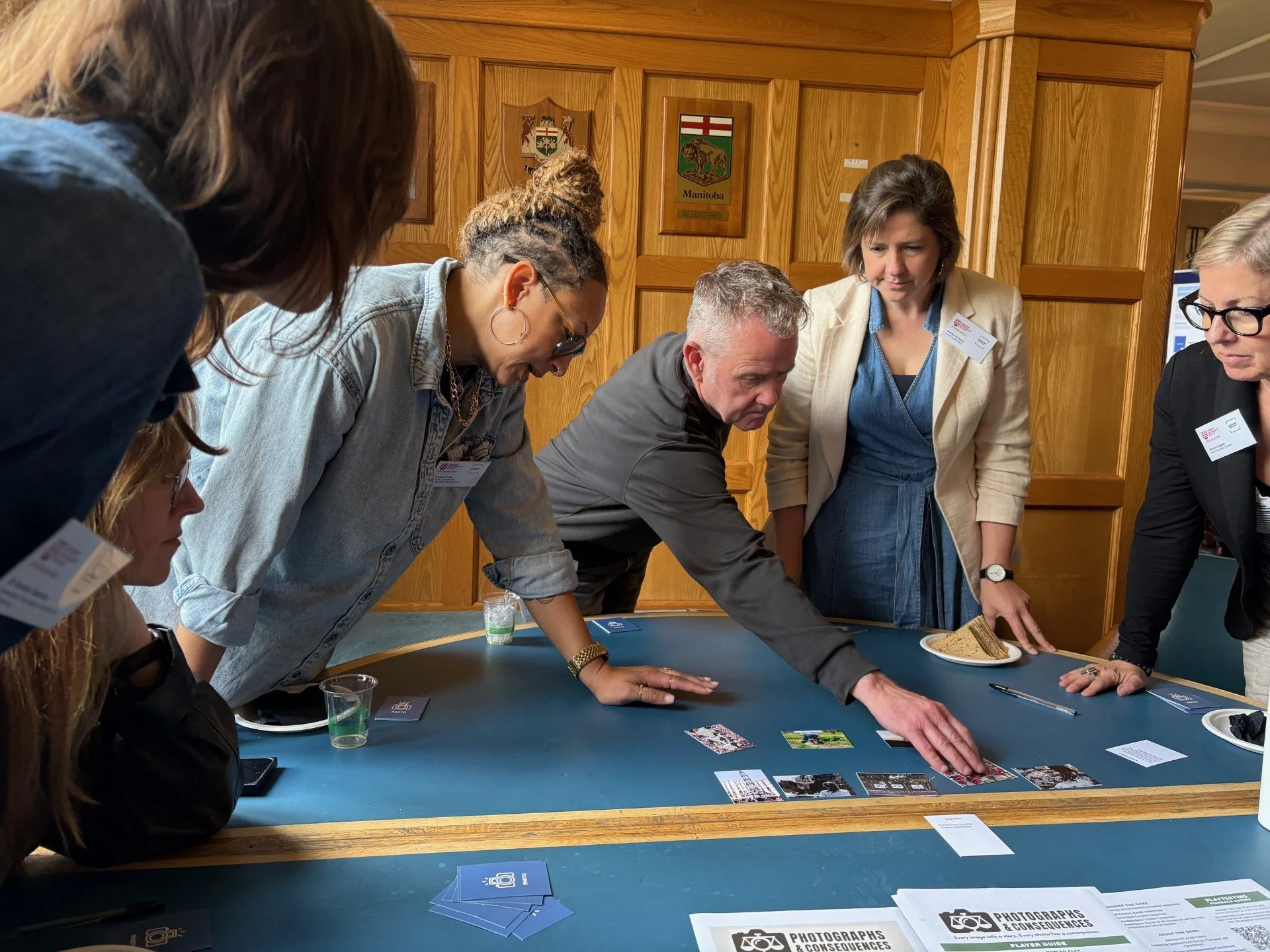
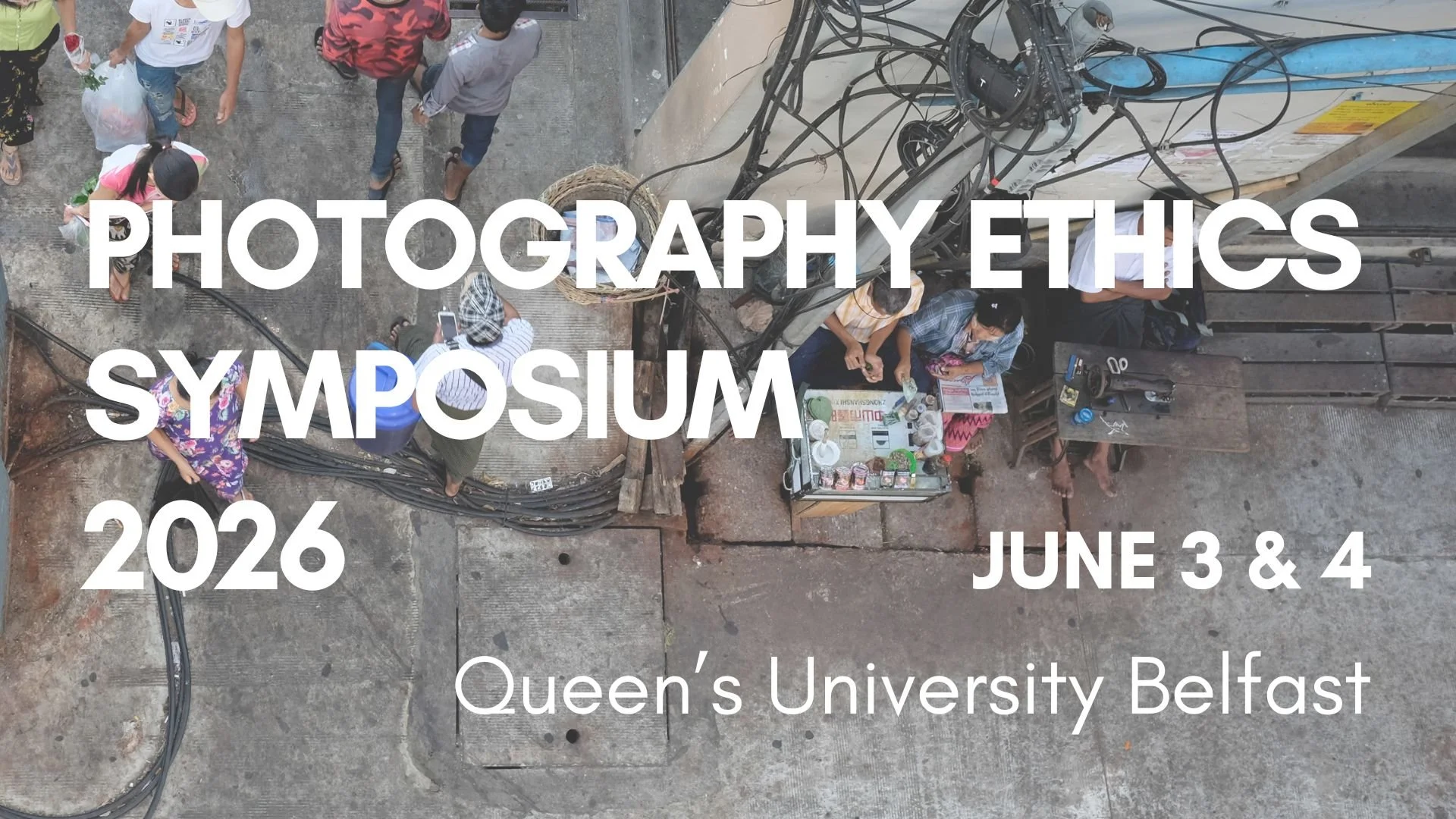
This event was organised by the Photography Ethics Centre in partnership with the photographies journal. It took place at Queen’s University Belfast on June 3-4, 2026, with two online panels hosted by the VII Foundation.

The 2026 Photography Ethics Symposium brings together photographers, curators, archivists, and researchers from a range of institutions and practices to facilitate critical conversation on the challenges shaping photography today.
This symposium seeks to engage photographers, curators, archivists, and researchers in a critical discussion about the ethical dimensions of photography.

The results of this survey will help to inform where we focus our time and resources to best contribute to ethical advancement within the visual media industries.

Debate is growing about ethics as concerns are raised about photographic practices across all kinds of industries, especially in light of the rise of AI-generated imagery.

On Global Ethics Day 2024, we published the results of a new research project which distils eight key lessons in photography ethics.

Savannah Dodd takes stock of the challenges and opportunities for ethical photographic practice that the growth of generative AI technologies presents.
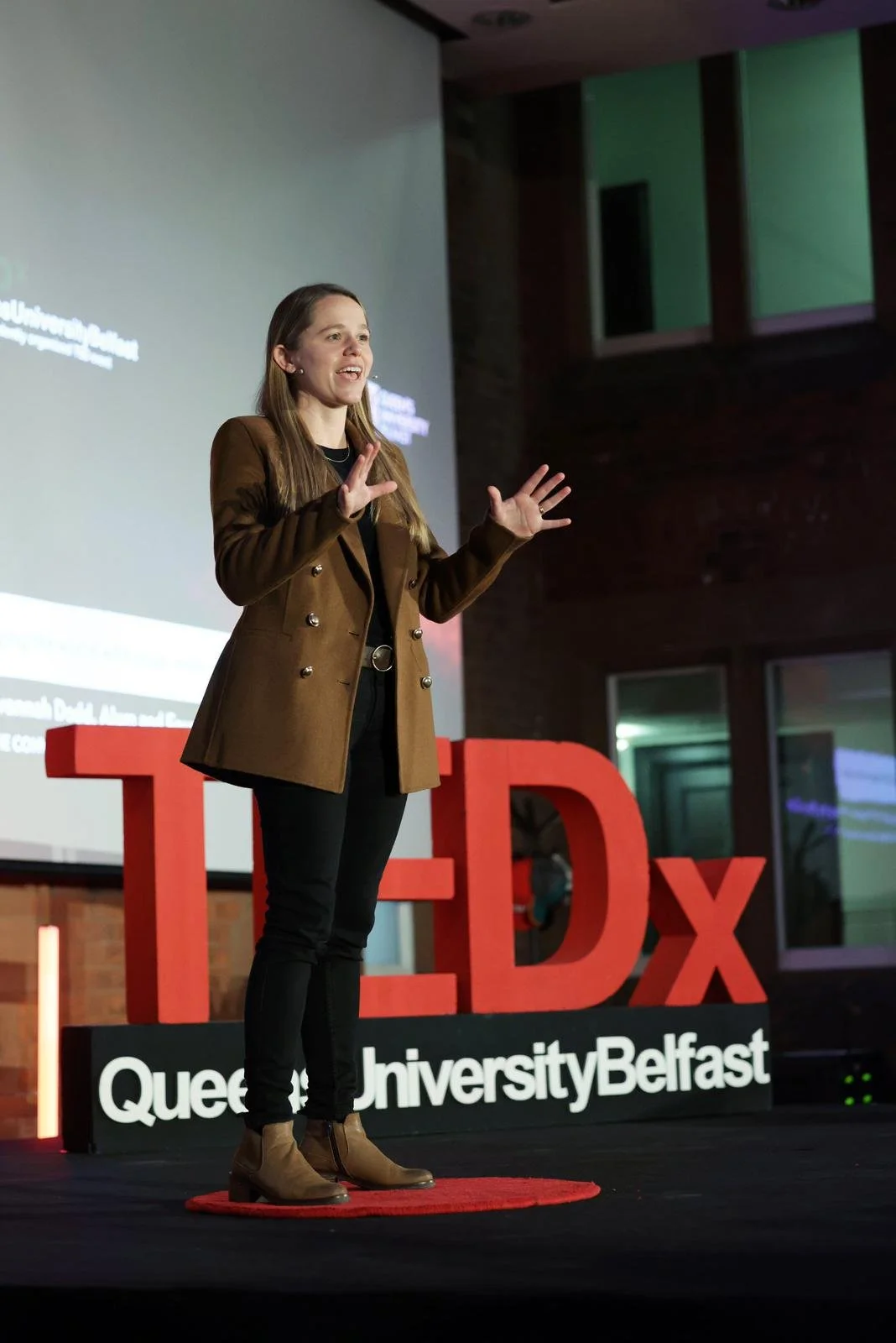
Savannah Dodd asks us to think about visual media as data points, and she urges us to expand the dataset by cultivating an understanding of visual media ethics.

Not sure where to start? We have a 3 tips that can help you get started writing your Statement of Ethics.
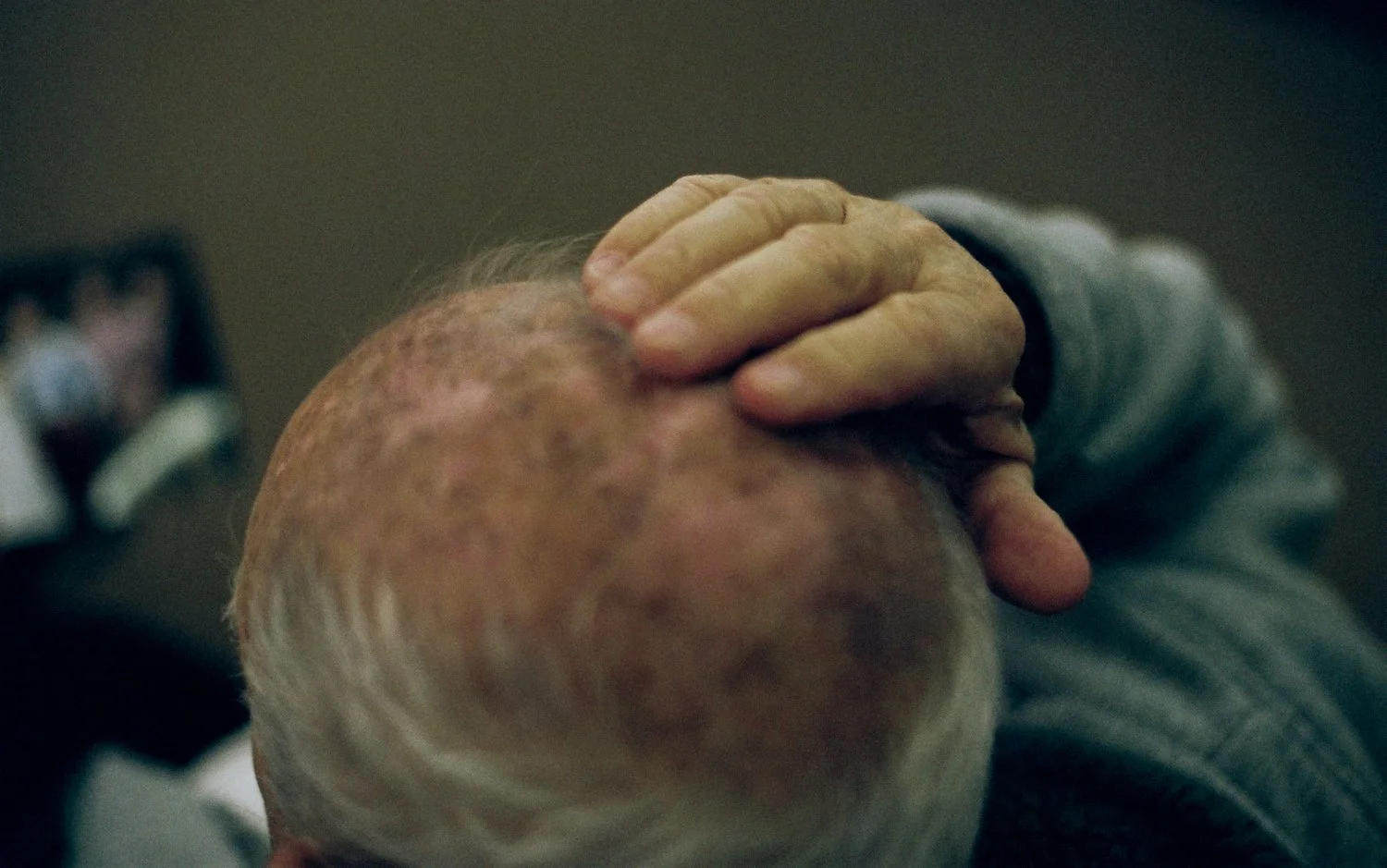
A reflection about dignity in dementia care and in photography of ill health. This essay was commissioned by The Lancet and based on Savannah Dodd’s project Thanks, Gd.

Unpacking the fundamentals of photographic consent, including informed consent, consent forms, who can consent, and non-consent.

While turning the camera inward may alleviate ethical qualms about positionality, photographing the people closest to us is not without ethical considerations. Seven photographers discuss the ethics of working on stories close to home.

Theodore Roosevelt remarked that Curtis’ work was ‘has far more than mere accuracy, because it is truthful.’ But can truth be beyond accuracy? How far can we trust the objectivity of the photographer?

After my podcast interview with Smita Sharma earlier this autumn, I wanted to learn more about her experience photographing “Stolen Lives: The harrowing story of two girls sold into sexual slavery” for National Geographic.

This new podcast series is all about the ethics of photography. Through weekly conversations with accomplished photographers, we will cover topics like consent, dignity, power, responsibility, impact, and collaboration, among many others.
The collective movement toward a more considered practice that puts an emphasis on respect, safety, and sensitivity toward the people in our images may feel threatening when we reflect on our past practice.


Over the course of the coronavirus pandemic so far, there have been many questions raised about what it means to visually represent a public health crisis ethically: What kinds of visual stories do we need?

In their second collaboration, Andrew Jackson and Savannah Dodd discuss the impact of the prioritisation of the white, male gaze, both for photojournalism and broader society.
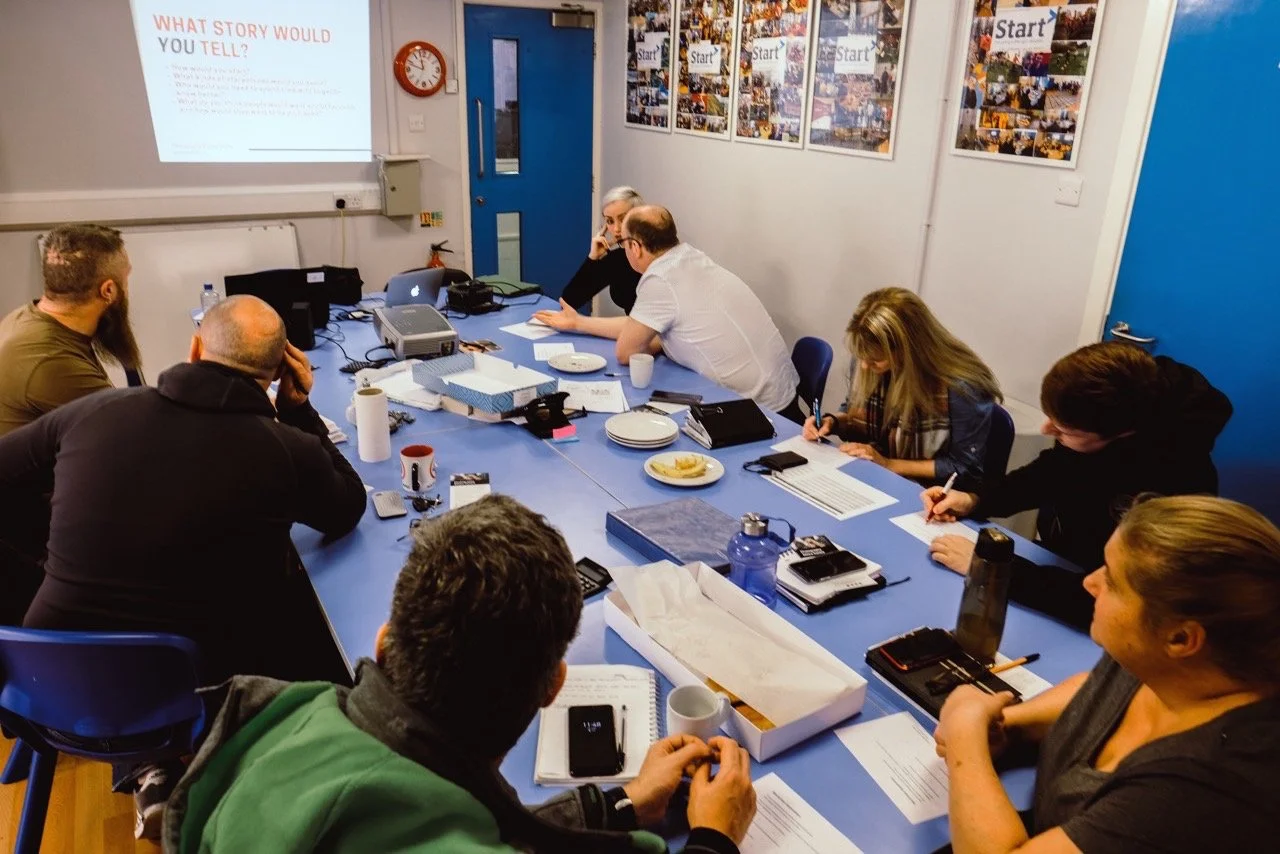
Last year, Photography Ethics Centre founder Savannah Dodd delivered a workshop for community youth workers at Greater Shankill Alternatives in Belfast, Northern Ireland, funded by the Rebecca Vassie Trust.


In light of COVID-19, all of our upcoming events for the next few months have been cancelled. But there are many ways that you can still continue to engage with the Photography Ethics Centre while social distancing! Here are 5 great ways to connect with us online.

A look at Soham Gupta’s Angst as a symptom of a larger ongoing system of questionable practices of representation.

In this article we tackle some of the challenges of informed consent in development contexts.
It is the broader socio-cultural context that shapes how we learn to value different ways of seeing. And it consistently puts white, male ways of seeing right at the top.

If we are going to use their picture, we must do the work that it takes to give them dignity in that process.

One of the most written about controversies of 2018 was Dreaming Food by Alessio Mamo. Here is a break down of the key points.

There is a difference between how we photograph people with a handheld camera and how we photograph people with a camera drone when it comes to accountability. Can the same regulations really govern the two?
Can’t find what you are looking for? Try browsing by tagged keyword.
- accountability
- aesthetics
- afghanistan
- AI
- aid
- archive
- autonomy
- awareness
- camera
- case study
- children
- collage
- conflict
- consent
- context
- copyright
- coronavirus
- culture
- development
- digital learning
- dignity
- Diversity
- documentary
- drone
- empathy
- Equality
- ethics
- event
- fundraising
- gender
- hospital
- humanitarian
- Inclusion
- industry
- informed consent
- integrity
- journalism
- law
- medical
- methods
- ngo
- NYT
- online training
- pedagogy
- perspective
- photography
- photojournalism
- podcast
- power
- privacy
- process
- race
- reflection
- report
- representation
- research
- resource
- respect
- safety
- social sciences
- Statement of Ethics
- storytelling
- Sustainability
- tourism
- transparency
- trauma
- travel
- understanding
- visual media
- visual methods
- volunteering
- vulnerability
- war
- webinar
- workshop
What are the ethics of photographic collage? How can we navigate questions of authorship, (de)contextualisation, and aestheticization, especially when working with images of trauma?